Why Are Dental Exams Important for Your Oral Health?

Dental exams protect oral health by helping us monitor teeth, gums, bite function, and existing dental work. We can identify cavities, gum changes, tooth wear, and damaged restorations before they cause noticeable symptoms. Exams may also include recommendations for X-rays, oral cancer screenings, preventive care, and follow-up visits based on health history and risk factors.
Key Takeaways
- Dental issues can develop without pain. These may include cavities, gum disease, cracked teeth, tooth wear, and problems with fillings or crowns.
- A dental exam reviews more than teeth. We also assess gums, bite alignment, jaw comfort, existing restorations, and signs of clenching or grinding.
- Professional cleanings and dental exams have different roles. Cleanings remove plaque and tartar, while exams evaluate oral health and identify treatment needs.
- We may recommend X-rays and oral cancer screenings based on symptoms, dental history, risk factors, and prior imaging.
- Exam schedules vary for each patient. We should promptly evaluate new pain, swelling, bleeding gums, sensitivity, or damage to a tooth or restoration.
Why Regular Dental Exams Are Important Even When Nothing Hurts
Dental concerns do not always cause pain or show visible changes at first. Regular dental exams give us an opportunity to identify concerns while they may be smaller and simpler to address.
So, why are dental exams important? An exam may help us find cavities, early gum concerns, cracked or worn teeth, failing fillings or crowns, and bite-related issues before symptoms become more noticeable. Timely care can support prevention and help us discuss appropriate treatment options. Still, exams cannot guarantee that every dental concern will be prevented or that future treatment will never be needed.
During dental exams, we look beyond cavities. We evaluate teeth, gums, bite alignment, jaw comfort and function, and existing fillings, crowns, and bridges. We also watch for tooth wear, signs of clenching or grinding, and other visible changes in the mouth.
Why regular dental exams are important also relates to the full picture of health. Oral health is connected to general health, and a dentist may consider relevant health history when making care recommendations. Sharing changes in medications, medical conditions, or current symptoms helps us provide thoughtful guidance.
What Happens During a Dental Exam?
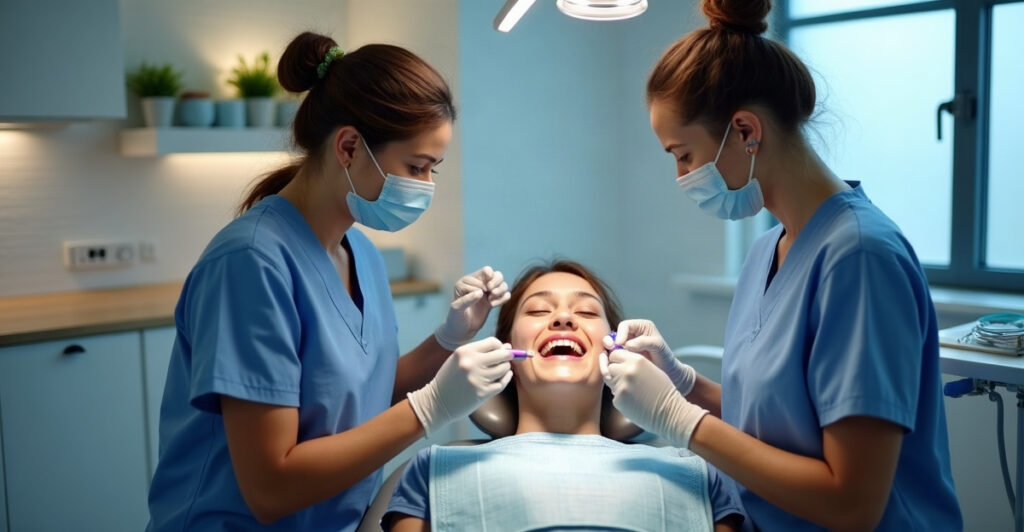
A dental exam is a professional evaluation of oral health. It is different from a cleaning, although both are often completed during the same preventive visit.
During an exam, we may assess the condition of each tooth, the gums, the bite, the jaw, and any existing dental work. We check fillings, crowns, bridges, and other restorations for signs of wear, damage, or changes around their edges. We may also look for signs that clenching or grinding is placing extra pressure on the teeth or jaw.
Professional cleanings focus on removing plaque and tartar buildup that brushing and flossing may miss. A hygienist may perform the cleaning, while the dentist evaluates oral health, reviews findings, and discusses recommendations. Practice workflows can vary, but these services have different purposes. We may recommend professional teeth cleaning as part of ongoing preventive care.
Gum Health Assessments
Healthy-looking teeth do not always mean the gums are healthy. We may measure the spaces between the gums and teeth, review gum tissue, and look for plaque or tartar buildup below the gumline. These findings help us evaluate gum health and determine whether routine preventive care or additional periodontal care may be appropriate.
Bleeding gums can have several causes and deserve attention, but they do not always point to one specific condition. We consider exam findings, home-care habits, medical history, and other factors before making recommendations. If ongoing gum care is needed, periodontal care can help support healthier gums and regular monitoring.
We encourage patients to ask what we are checking and why we recommend a particular service. Clear communication helps patients understand their oral health and make informed decisions.
X-Rays and Oral Cancer Screenings: When They May Be Recommended
Some dental concerns are difficult or impossible to see during a visual exam. X-rays may be recommended when clinically appropriate because they can show areas between teeth, below the gumline, around tooth roots, and beneath existing restorations.
The frequency and type of X-rays depend on several factors. These may include age, symptoms, dental history, cavity risk, existing fillings or crowns, and recent imaging. We do not assume every patient needs X-rays at every visit. Instead, we review what information is needed to evaluate oral health responsibly. Our diagnostic dental X-rays help us assess concerns that may not be visible during an exam.
Will We Need X-Rays at Every Dental Visit?
Many patients will not need X-rays at every dental visit. We recommend imaging based on individual needs and the timing of previous X-rays. New pain, sensitivity, a suspected cracked tooth, changing restorations, or a higher risk of decay may lead us to recommend X-rays sooner.
An oral cancer screening may also be part of a dental examination, depending on the practice and patient needs. Screening can help dental professionals look for unusual changes that may warrant further evaluation. It does not diagnose cancer. If we notice an area that needs closer attention, we will explain the finding and discuss appropriate next steps.
How Often Should We Have a Dental Exam?
Many patients are commonly seen about every six months. However, there is no single exam schedule that fits everyone. Recall intervals should reflect oral health, gum disease risk, medical history, previous treatment, home-care habits, and the dentist’s recommendation.
Patients with a history of gum concerns, extensive dental treatment, frequent cavities, changing health needs, or a higher cavity risk may benefit from more frequent visits. Others may have a different interval based on stable exam findings and low risk. We review the timing of future visits as part of ongoing preventive care.
Do We Need an Exam if Teeth Do Not Hurt?
Yes. A lack of pain does not confirm that everything is healthy. Cavities, gum concerns, worn teeth, failing restorations, and bite changes can develop gradually. Exams allow us to monitor these areas before they create more noticeable symptoms.
Patients should schedule sooner rather than waiting for a routine visit if they notice tooth pain, lingering sensitivity, swelling, bleeding gums, a damaged filling or crown, a cracked tooth, or any new change in the mouth. Prompt evaluation helps us determine what is happening and discuss care options.
Why Are Children’s Dental Exams Important?
Why are children’s dental exams important? Early visits help us monitor tooth development, check for decay and bite concerns, and offer age-appropriate preventive guidance. Regular appointments can also help children become familiar with the dental setting, the dental team, and the steps involved in routine care.
Parents can use these visits to discuss brushing, flossing, nutrition, fluoride, and habits that may affect teeth or bite development. Thumb or finger habits, pacifier use, teeth grinding, sensitivity, and concerns about comfort or behavior during visits are all appropriate topics to discuss.
Families may also ask why children’s dental exams are important if baby teeth will eventually fall out. Baby teeth support chewing, speech development, and space for permanent teeth. Monitoring them helps us identify changes early and offer practical guidance as a child grows.
Timing should be discussed with a dentist, especially for infants, young children, or children with specific dental concerns. We consider development, home-care needs, and each child’s comfort level when recommending future visits.
Preparing for Your Visit and Discussing Comfort, Treatment, and Costs
Dental anxiety, sensitivity, and previous difficult experiences are common concerns. We encourage patients to share these details before the visit begins. That conversation helps us explain each step, discuss comfort measures, and adjust the pace of care when possible.
Patients can ask why we are making a recommendation, whether alternatives exist, what the expected treatment timeline may be, and what estimated out-of-pocket costs may be. We will provide clear information to support decisions, while recognizing that insurance coverage, final costs, and treatment outcomes can vary.
Regular preventive visits give us a consistent way to monitor oral health, answer questions, and address concerns early. Readers in Anchorage, Eagle River, Wasilla, Palmer, Girdwood, and surrounding areas can contact Alaska Dental Associates to discuss individual oral-health needs, recommended timing, and appointment questions.