What Are the Benefits of Professional Teeth Cleaning?
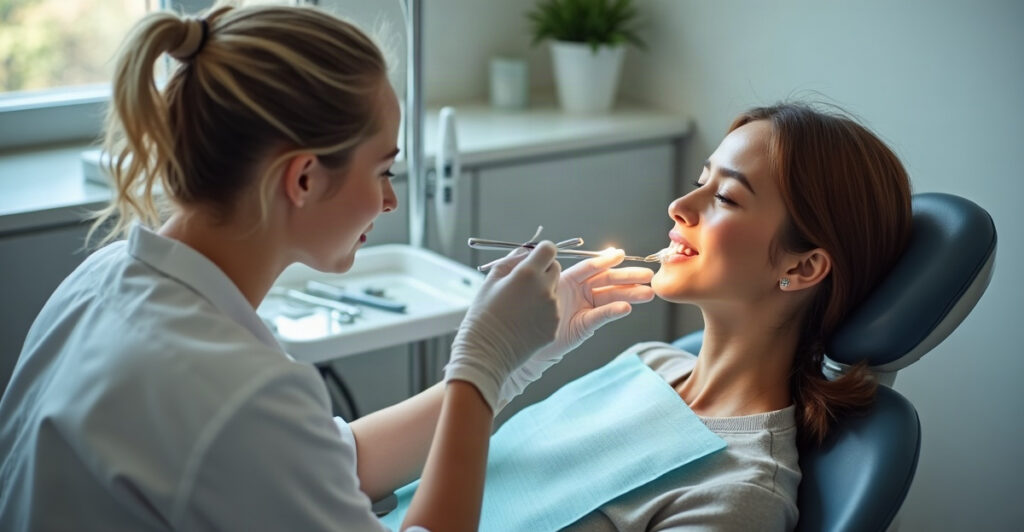
Professional teeth cleaning removes plaque and hardened tartar that daily brushing and flossing can’t fully reach. This buildup often collects near the gumline and between teeth. Regular cleanings also help us monitor gum health, spot cavities or worn dental work early, and strengthen an effective home-care routine.
Key Takeaways
- Professional cleanings remove plaque, tartar, and some surface stains. Teeth feel smoother and cleaner afterward.
- Routine visits let our dental team check for gum inflammation, cavities, changes in dental restorations, and other oral health concerns.
- A standard preventive cleaning differs from deep cleaning. Deep cleaning removes buildup below the gumline when gum disease develops.
- Many patients schedule cleanings every six months. However, we recommend an interval based on individual oral health needs and risk factors.
- Cleanings support daily brushing with fluoride toothpaste and cleaning between teeth. They don’t replace either habit.
The Practical Benefits of Regular Professional Cleanings
Professional teeth cleanings remove plaque and hardened tartar that brushing and flossing cannot fully remove once it forms. They also support gum health and give us an opportunity to identify oral-health concerns early.
Plaque is a sticky film of bacteria that builds up on teeth every day. Without consistent removal, plaque can harden into tartar, also called calculus. Once tartar forms, it generally requires professional instruments for safe removal.
The benefits of professional teeth cleaning include removal of buildup from areas that are difficult to reach at home, such as between teeth and near the gumline. A cleaning also allows us to monitor for gum inflammation, cavities, worn fillings or crowns, and other changes that may need attention.
Many patients notice a smoother, cleaner feeling after an appointment. Removing buildup may also improve breath for some patients. Professional cleanings can remove certain surface stains, but a cleaning is not the same as whitening treatment.
Regular visits also give us time to review home-care habits. We can recommend brushing, flossing, or interdental-cleaning techniques that fit individual needs. These practical teeth cleaning benefits help support a consistent routine between appointments.
We recommend combining professional teeth cleanings with daily home care. This approach helps us address concerns early while keeping teeth and gums as clean as possible.
What Happens During a Routine Dental Cleaning?
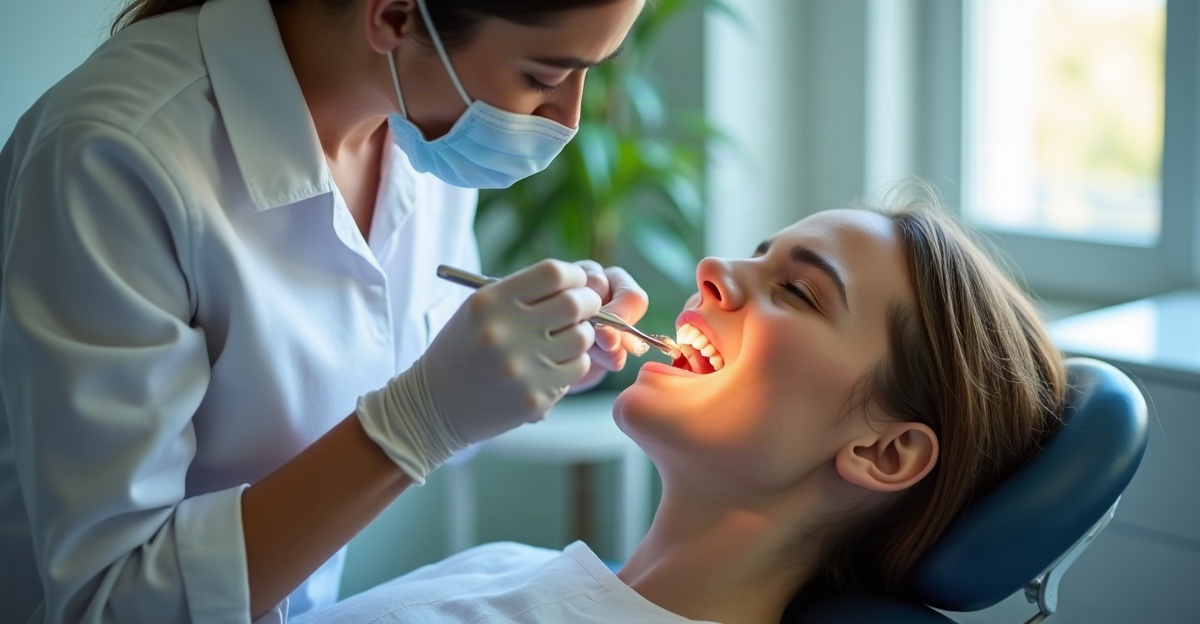
A routine appointment commonly includes an assessment of the teeth and gums, removal of plaque and tartar, polishing when appropriate, and flossing or interdental cleaning. We also discuss what we find and provide home-care recommendations based on current oral health.
Exams, X-rays, and the exact cleaning steps can vary by patient and appointment. A routine preventive cleaning generally focuses on plaque and tartar at or above the gumline and in accessible areas. A dental exam helps us determine whether additional care or monitoring is appropriate.
Many routine cleanings are comfortable. However, inflamed gums, exposed roots, tooth sensitivity, or substantial buildup can make parts of the visit more noticeable. We encourage patients to share any anxiety, sensitivity, medical concerns, or difficult past dental experiences before treatment. Our team can discuss comfort options, explain each step, and pace the visit appropriately.
Routine Cleaning vs. Deep Cleaning: Understanding the Difference
A standard preventive cleaning and a deep cleaning serve different purposes. Routine cleanings remove plaque and tartar from accessible tooth surfaces, usually at or above the gumline. They are part of ongoing preventive care.
Scaling and root planing, often called a deep cleaning, is periodontal treatment. We may recommend scaling and root planing when an examination identifies gum disease, periodontal pockets, or buildup below the gumline.
A deep cleaning is not a standard upgrade, and it is not something every patient needs. It is not cosmetic, and it is not interchangeable with a regular cleaning. When clinically indicated, the benefits of deep cleaning teeth include removing deposits from below the gumline and supporting periodontal treatment.
Deep cleaning also does not replace home care or future follow-up visits. Patients with periodontal concerns may need ongoing periodontal maintenance to help manage gum health over time. We base recommendations for routine cleaning, periodontal care, or scaling and root planing on gum health, cavity risk, medical history, and home-care habits.
How Often Should You Have Your Teeth Cleaned?
Many people are scheduled for professional cleanings about every six months, but there is no universal interval. Some patients need visits more often, while others may follow a different schedule based on their oral-health needs.
Recall visits can vary based on gum health, cavity risk, dental history, medical conditions, tobacco use, pregnancy-related changes, orthodontic appliances, and home care. The benefits of regular teeth cleaning are most meaningful when the appointment schedule matches each patient’s current needs.
Professional cleanings complement daily care rather than replace it. We recommend brushing twice daily with fluoride toothpaste, cleaning between teeth every day, and maintaining a consistent home routine. Fluoride care may also be appropriate for patients with a higher risk of cavities.
Surface Stains, Fresh Breath, and Other Realistic Results
Removing plaque, tartar, and some surface stains can leave teeth feeling smoother and cleaner. Some patients also notice fresher breath after buildup is removed and home-care habits are reviewed.
Persistent bad breath may have several causes and can require further evaluation. Bleeding gums, ongoing sensitivity, visible tartar, or gum changes also deserve professional attention rather than relying on home remedies alone. Our gum care services can help us evaluate concerns related to gum inflammation and periodontal health.
A professional cleaning may reduce surface stains from coffee, tea, tobacco, and certain foods. It does not whiten teeth in the same way as professional whitening treatment. Cleaning removes external buildup and some stains, while whitening treatment changes the shade of tooth enamel.
Questions to Discuss With Your Dental Team
Common Questions About Teeth Cleaning
These questions can help guide a clear conversation during a preventive visit:
- What are the benefits of professional teeth cleaning? Cleanings remove plaque and tartar, support gum monitoring, and help us identify concerns early.
- Why cannot brushing and flossing remove tartar? Tartar is hardened plaque that bonds to tooth surfaces and generally requires professional instruments for removal.
- How often should I get a professional teeth cleaning? Many patients visit about every six months, though we recommend an interval based on individual risk factors and oral health.
- Does a dental cleaning hurt? Many cleanings are comfortable, but sensitivity, gum inflammation, exposed roots, and heavy buildup can affect how the visit feels.
- Is a regular cleaning the same as a deep cleaning? No. A routine cleaning is preventive care, while deep cleaning treats buildup below the gumline when gum disease is present.
- Can a teeth cleaning whiten my teeth? A cleaning can remove some surface stains but does not provide the same result as professional whitening.
- What should I do if my gums bleed when I brush or floss? Continue gentle daily cleaning and schedule an evaluation so we can identify the cause.
We also encourage patients to ask about the recommended type of visit, estimated out-of-pocket costs, and available insurance benefits before treatment. Costs and coverage vary, so a conversation with the dental office can provide clearer information before an appointment.
Professional teeth cleaning benefits can support long-term oral health, but individual outcomes depend on current health, home care, risk factors, and follow-through. Patients in Anchorage, Eagle River, Wasilla, Palmer, Girdwood, and surrounding communities who are due for a cleaning, notice bleeding gums or persistent bad breath, or are unsure which type of cleaning they need can contact Alaska Dental Associates to schedule an exam and discuss personalized care.