
Tooth Sensitivity to Hot and Cold Causes and Relief
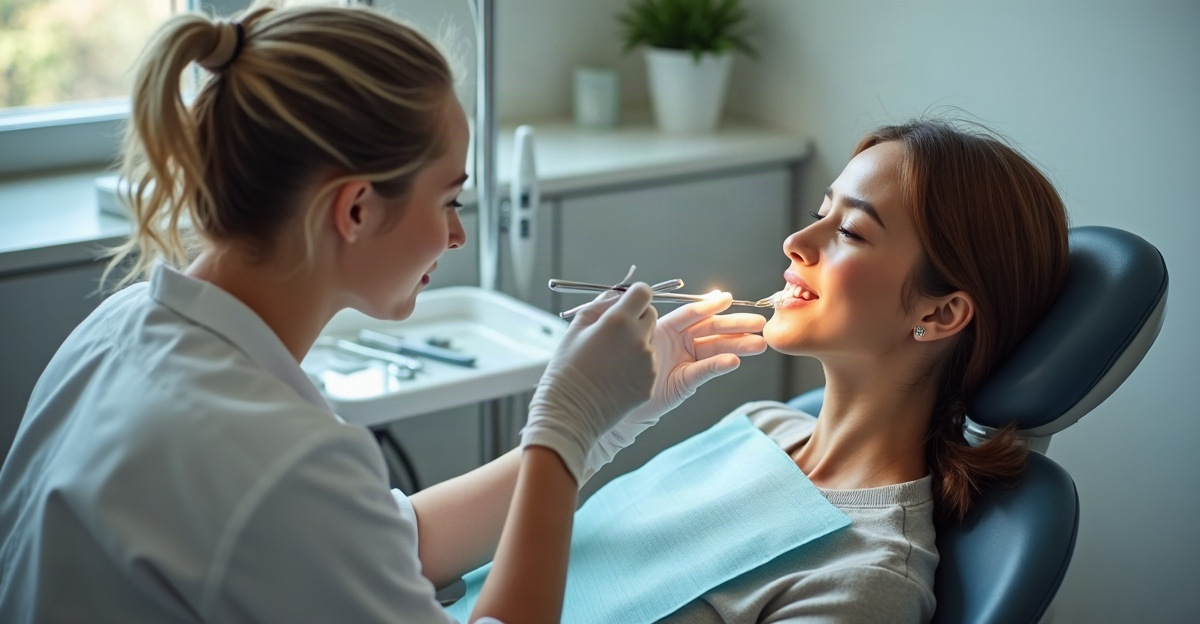
We often see tooth sensitivity to hot and cold after enamel wear or gum recession exposes dentin. Temperature changes can then reach the tooth’s inner structures. Decay, cracks, damaged restorations, grinding, and pulp inflammation can cause similar pain. We recommend a dental evaluation for persistent, localized, or heat-triggered symptoms.
Key Takeaways
- Brief cold sensitivity can result from exposed dentin. Worsening pain or pain in one tooth may signal decay, a crack, or damaged dental work.
- Heat-triggered pain that continues after we remove the heat source needs timely dental assessment.
- Desensitizing fluoride toothpaste, gentle brushing with a soft-bristled toothbrush, and avoiding triggers can help us manage mild sensitivity.
- At-home care can’t repair cavities, fractures, infections, gum disease, or failing fillings and crowns.
- We should seek prompt dental care for severe or persistent pain, swelling, fever, drainage, trauma, chewing difficulties, or pain that disrupts sleep.
How Temperature Sensitivity Happens—and When It May Need Prompt Care
Tooth sensitivity to hot and cold occurs when temperature changes reach sensitive inner tooth structures, often because enamel has worn down or gums have receded and exposed dentin. Enamel is the hard outer layer of each tooth, while dentin is the softer layer beneath it that contains tiny channels leading toward the pulp.
The pulp is the inner tissue that contains nerves and blood vessels. Gum recession occurs when gum tissue pulls back, exposing more of the tooth root and its less-protected dentin surface.
Decay, cracks, damaged fillings, and pulp inflammation can cause similar symptoms. We should not diagnose the cause from temperature pain alone.
Schedule a dental visit if sensitivity is new, persistent, worsening, limited to one tooth, happens when biting, or does not improve with gentle care and desensitizing toothpaste. A dental exam can identify the source before a minor issue progresses.
Brief pain from cold may occur with exposed dentin. Heat-triggered pain, especially pain that lingers after heat is removed, deserves timely dental assessment. That pattern does not confirm a diagnosis, but it can signal a problem that needs treatment.
Seek prompt dental care for severe or persistent pain, pain that wakes you from sleep, facial or gum swelling, fever, a bad taste or drainage, trauma, difficulty chewing, or trouble opening the mouth. For trouble breathing or swallowing, severe swelling, or facial swelling that spreads quickly, seek emergency medical care immediately.
What Causes Tooth Sensitivity to Hot and Cold?
The causes of tooth sensitivity to hot and cold often overlap. A dentist can determine the underlying issue through an examination and, when appropriate, diagnostic X-rays or other tests.
| Possible Cause | Common Clues | Appropriate Next Step |
|---|---|---|
| Exposed dentin from enamel wear or gum recession | Brief discomfort with cold foods, drinks, or air | Use gentle oral care and desensitizing toothpaste; arrange an exam if symptoms persist or worsen. |
| Cavities or tooth decay | Increasing or localized pain with sweets, cold, or heat | Schedule an assessment. Toothpaste cannot repair a cavity. |
| Cracked or fractured tooth | Pain when biting, releasing a bite, or reacting to temperature changes | Seek dental evaluation because cracks may need treatment. |
| Worn, loose, or damaged fillings or crowns | Sensitivity near a treated tooth, or a rough, loose, or broken restoration | Schedule an examination for repair or replacement options. |
| Grinding or clenching | Worn tooth edges, jaw soreness, headaches, or sensitivity | Ask a dentist whether a professionally recommended nightguard is appropriate. |
| Gum disease and recession | Longer-looking teeth, bleeding gums, tenderness, or exposed roots | Arrange an evaluation for gum care treatment guidance. |
| Recent whitening | Sensitivity that begins or worsens during whitening | Pause or limit whitening products and ask about safer options. |
| Recent filling, crown, or cleaning | Temporary sensitivity after dental care | Have persistent, worsening, severe, or heat-triggered pain assessed. |
| Pulp inflammation or infection | Spontaneous, throbbing, severe, lingering, or heat-triggered pain, sometimes with swelling or a bad taste | Seek timely dental care. |
Understanding tooth sensitivity to hot and cold causes helps us respond early, but an examination remains the best way to distinguish ordinary dentin sensitivity from a condition needing restorative care. Existing fillings can also wear or leak over time; learn how long white fillings last and which factors affect them.
Why Cold, Heat, and One-Tooth Pain Can Feel Different
Cold, heat, sweet foods, acidic drinks, and even a rush of air can move through exposed dentin channels and stimulate the tooth’s inner structures. Enamel loss and gum recession make this pathway easier, which explains why cold sensitivity often occurs with exposed dentin.
Cold pain can also develop from decay, a crack, or damaged dental work. We should not assume every cold reaction is harmless, especially when it affects one tooth or gets worse.
Heat sensitivity needs added attention. Pain from heat, particularly when it continues after the hot drink or food is gone, may point to a more significant tooth problem and merits timely dental evaluation.
Sudden tooth sensitivity to hot and cold may follow whitening, recent treatment, enamel wear, gum recession, decay, a crack, or a restoration problem. New symptoms in one tooth should not be ignored. Pain while biting, spontaneous pain, or discomfort that lingers after the trigger ends can all indicate a need for professional assessment.
Regular checkups help us catch changes before pain becomes severe. Our guide to dental exam importance explains how preventive visits help identify concerns that may not yet be visible or painful.
Safe Relief for Mild Tooth Sensitivity at Home
At-home care may reduce mild dentin sensitivity, but it cannot repair cavities, fractures, infections, gum disease, or failing dental work. Use gentle measures while arranging care if symptoms persist or raise concern.
Use a fluoride desensitizing toothpaste as directed. Relief can take days to several weeks of consistent use. A dentist may also recommend professional fluoride care to help strengthen vulnerable tooth surfaces.
For day-to-day relief, follow these steps:
- Brush twice daily with a soft-bristled toothbrush and light pressure. Aggressive brushing can wear enamel and irritate gums.
- Avoid very hot, very cold, or highly acidic foods and drinks for a time if they trigger pain.
- Rinse with water after acidic foods or drinks, then wait before brushing rather than brushing immediately.
- Pause or limit whitening products if sensitivity started or increased during whitening.
- Wear a professionally recommended nightguard if grinding or clenching is suspected or already diagnosed.
- Avoid placing aspirin directly on teeth or gums. Do not use abrasive charcoal products, acidic rinses, harsh DIY treatments, or aggressive brushing.
- Do not use whitening products to treat tooth sensitivity to hot and cold.
- Do not rely on home remedies for severe, spontaneous, worsening, or one-tooth pain.
Professional hygiene visits can also help protect the teeth and gums through early detection and preventive guidance. Learn about the benefits of professional cleaning and what preventive appointments involve.
When a Dentist Can Help—and What Treatment May Involve
Schedule a routine visit when sensitivity is new, persistent, worsening, localized to one tooth, triggered by biting, or unchanged after gentle care and desensitizing toothpaste. The purpose of an appointment is to identify the cause rather than assume every temperature reaction needs the same treatment.
A dentist can assess whether symptoms relate to exposed dentin, decay, a crack, gum recession, grinding, worn fillings, crowns, or pulp inflammation. Treatment may include professional fluoride or desensitizing applications, cavity treatment, repair or replacement of a restoration, gum disease management, crack evaluation, a custom nightguard, or treatment for pulp-related problems.
For example, a damaged composite restoration may require white filling treatment, while a weakened tooth may need a dental crown. The right option depends on the tooth’s condition, symptoms, and examination findings.
This article provides general education and does not replace an individual dental examination or diagnosis. Prompt assessment gives us the clearest path to lasting relief and helps preserve healthy tooth structure.
Frequently Asked Questions About Temperature-Sensitive Teeth
Why Is My Tooth Suddenly Sensitive to Hot and Cold?
Sudden sensitivity may result from exposed dentin, whitening, recent dental treatment, decay, a crack, damaged dental work, or pulp inflammation. Persistent, worsening, severe, or one-tooth symptoms need professional assessment.
Can Tooth Sensitivity Go Away on Its Own?
Mild sensitivity may improve with gentle brushing, trigger avoidance, and consistent desensitizing fluoride toothpaste. Cavities, cracks, infections, and failing restorations will not resolve through home care alone.
Why Does One Tooth Hurt With Cold Water?
One-tooth cold pain can result from exposed dentin, but decay, a crack, or a restoration problem may also cause it. Arrange a dental visit if the discomfort persists, worsens, or occurs with biting pain.
Is Sensitivity After Whitening Normal?
Whitening can cause temporary sensitivity for some people. Limit or pause whitening if symptoms begin or worsen. Ask a dentist about safer options if discomfort is significant or persistent.
Why Does Heat Sensitivity Feel More Concerning Than Cold Sensitivity?
Heat-triggered pain, especially pain that lingers after the heat is removed, may be associated with a more significant tooth problem and warrants timely assessment. Heat sensitivity alone cannot diagnose the cause.
How Long Does Desensitizing Toothpaste Take to Work?
Relief may take days to several weeks when the product is used consistently and as directed. Seek dental advice if symptoms do not improve or become more severe.
What Happens During a Cleaning Appointment?
A professional cleaning removes plaque and tartar, while the dental team checks for signs of decay, gum concerns, and restoration problems. Our overview of the teeth cleaning procedure explains what to expect during the visit.