Dental Veneers Benefits: What Can They Do for Your Smile?
Dental veneers can improve the color, shape, size, and surface appearance of visible teeth with stains, chips, small gaps, uneven edges, or minor irregularities. We use veneers to create a more balanced smile. Suitability depends on healthy teeth and gums, bite alignment, existing dental work, and daily habits, including grinding.
Key Takeaways
- We use thin, custom restorations on the front surfaces of visible teeth to address specific cosmetic concerns.
- Veneers can improve stains that resist whitening, small gaps, chips, worn edges, and mildly uneven tooth shapes.
- Veneers don’t treat decay, gum disease, infections, major bite issues, or severe tooth damage. We must address these concerns first.
- Traditional veneers often require dentists to remove a small amount of enamel. This treatment is generally irreversible.
- Porcelain and composite veneers need regular brushing, flossing, routine dental visits, and protection from grinding or hard objects.
How Dental Veneers Can Improve the Appearance of Your Smile
Dental veneers are customized, thin restorations that we place over the front surfaces of visible teeth. They can improve smile appearance by changing the color, shape, size, or surface appearance of individual teeth.
The dental veneers benefits can be meaningful for people who feel distracted by a few noticeable cosmetic concerns. Veneers for stained teeth may help when discoloration does not respond as fully as hoped to whitening. Veneers for chipped teeth can restore a smoother-looking edge, while veneers for gaps may help close small spaces between teeth. They may also improve the appearance of minor cracks, uneven tooth contours, worn edges, or teeth that appear slightly too small or irregular.
With thoughtful planning, veneers can create a more balanced-looking smile. We can refine tooth contours, improve color consistency, and help visible teeth appear more even. Our dental veneer treatment focuses on changes that complement each person’s facial features, natural teeth, and goals.
Results are always individualized. Veneers are not a universal solution, and what dental veneers can do depends on the health and condition of the teeth and gums, the bite, existing dental work, and cosmetic priorities. We begin with a careful conversation and examination so we can recommend an approach that makes sense for the smile as a whole.
What Veneers Can and Cannot Correct
Veneers may be appropriate for cosmetic concerns on the front surfaces of teeth when the teeth and gums are otherwise healthy. They can be useful for small gaps, minor shape concerns, surface stains, and limited cosmetic wear. For some people considering veneers for crooked teeth, veneers may make mildly uneven teeth appear more uniform without moving them.
Dental veneer limitations matter just as much as their cosmetic advantages. Veneers do not treat tooth decay, gum disease, infections, significant bite problems, or damage caused by untreated grinding. We must address these concerns before cosmetic treatment. Regular dental exams help us identify concerns that may affect veneer candidacy before treatment begins.
Veneers and gum disease require special attention. Inflamed or unhealthy gums can affect comfort, appearance, and the long-term outlook for any cosmetic restoration. We may recommend gum treatment and consistent hygiene first.
Veneers may not be the appropriate choice for teeth with substantial damage, large fillings, severe misalignment, active gum disease, or an unhealthy bite. A tooth that needs added strength may require a different restoration. People who clench or grind their teeth also need an evaluation of those habits before we place veneers.
When considering, “Are veneers right for me?” we look beyond appearance. A healthy foundation of teeth, gums, bite, and daily habits supports a more predictable treatment plan.
The Dental Veneer Process: What to Expect
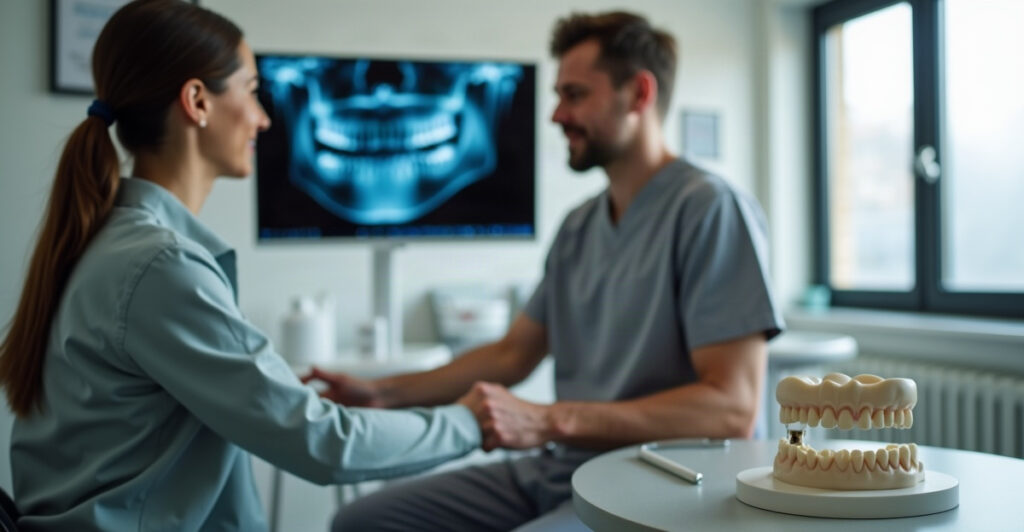
The dental veneer procedure begins with a consultation and examination. We listen to the changes you hope to make, review the condition of your smile, and discuss whether veneers or another option better fits your situation.
During a veneer consultation, we evaluate tooth structure, gum health, the bite, existing fillings or crowns, and habits such as clenching or grinding. We also discuss shade, tooth shape, materials, expected changes, and comfort measures. Clear communication gives us a shared understanding before treatment moves forward.
The porcelain veneer process commonly includes treatment planning, preparation of the teeth when needed, impressions or digital scans, and final placement. Some cases include temporary veneers while a dental laboratory creates the final restorations. At the placement visit, we check fit, appearance, and bite before bonding the veneers in place.
Traditional veneers often require enamel preparation for veneers. We remove a small amount of enamel in many cases to create room for the restoration and support a natural-looking result. Because enamel does not grow back, traditional veneers are generally an irreversible treatment decision. We discuss this carefully before proceeding.
Veneer Materials, Durability, and Everyday Care
Porcelain and composite resin are common veneer materials. Porcelain often offers a lifelike surface and strong stain resistance. Composite veneers use tooth-colored resin and may be appropriate for certain smaller cosmetic changes or more conservative treatment plans.
The right material depends on appearance goals, the condition of each tooth, preparation needs, budget, bite forces, and our clinical recommendation. We review the advantages and limitations of each option before making a decision.
People often ask, “How long do veneers last?” Veneers are durable, but they are not permanent. Porcelain veneers durability and composite veneer longevity can vary based on the material, oral hygiene, bite forces, clenching or grinding, and everyday habits. A veneer may eventually need repair or replacement.
Caring for dental veneers follows many of the same habits that protect natural teeth. We recommend regular brushing with a nonabrasive toothpaste, daily flossing, and routine checkups and cleanings. Professional care can remove plaque buildup around the gums and restorations; learn more about the benefits of professional cleaning.
We also recommend reasonable precautions. Avoid using teeth to open packages, bite fingernails, or chew hard nonfood objects. Hard foods can be enjoyed with care, especially if biting directly with the front teeth could place excess force on a veneer. For people who clench or grind, we may recommend a custom nightguard to help protect veneers and natural teeth.
Comparing Veneers With Whitening, Bonding, Orthodontics, and Crowns
Veneers are one cosmetic option, not the right answer for every concern. We compare alternatives to dental veneers based on oral health, tooth condition, desired changes, and long-term expectations.
Veneers vs whitening often comes down to the type of change needed. Whitening changes the color of natural enamel but does not alter tooth shape, repair chips, close gaps, or correct uneven edges. For overall color improvement without changing tooth structure, professional teeth whitening may be a suitable first step.
Veneers vs bonding also deserves consideration. Bonding uses tooth-colored resin to improve minor chips, gaps, and shape concerns. It may preserve more natural tooth structure in some cases. However, resin can stain or wear differently than porcelain, and it may need periodic touch-ups.
Veneers vs Invisalign depends on whether tooth position is the main concern. Veneers can improve the appearance of mildly uneven front teeth, but they do not move teeth or correct significant bite issues. When tooth movement or bite correction is needed, Invisalign treatment or other orthodontic care may be recommended.
Veneers vs crowns involves the amount of tooth support needed. A veneer covers the front surface of a tooth, while a crown covers more of the tooth. We may recommend dental crowns for substantial damage, extensive decay, large existing restorations, or teeth that need greater structural protection.
Choosing no cosmetic treatment is also a valid option. We provide guidance, answer questions, and allow time for an informed decision without pressure.
Cost Considerations and Questions to Discuss at a Veneer Consultation
Dental veneers cost varies based on the number of teeth treated, veneer material, preparation needs, laboratory work, and any dental care needed before placement. Cosmetic veneer treatment may not be covered by dental insurance. We recommend checking with both the dental office and insurance provider to understand individual plan details.
A cosmetic dentist consultation gives us time to discuss veneer treatment planning in practical terms. We review whether treatment involves one tooth or several visible teeth, how the proposed shade will relate to neighboring natural teeth, and whether future replacement may be necessary. We also consider whether whitening, bonding, orthodontics, crowns, or another treatment could better meet your goals.
Helpful Veneer Consultation Questions
These veneer consultation questions can support a clear, informed discussion:
- What concerns can veneers address in my smile?
- Will enamel need to be removed?
- Are my teeth and gums healthy enough for veneers?
- How could clenching or grinding affect the veneers?
- What alternatives should I consider?
We encourage open discussion about goals, budget, long-term maintenance, and concerns about the process. A careful consultation helps us choose treatment based on dental health, cosmetic priorities, and realistic expectations. To arrange a visit, use our contact page to connect with Alaska Dental Associates.