
Dental Veneers for Missing Teeth: Are They an Option?
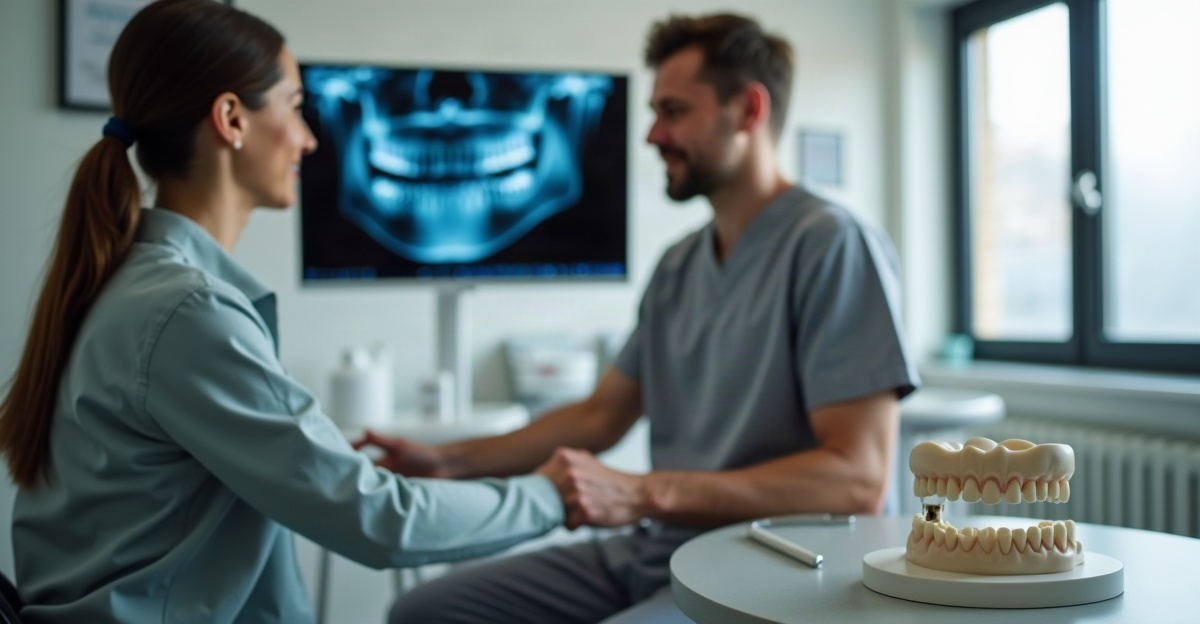
Dental veneers can’t replace missing teeth. Veneers bond to existing natural teeth, so they can’t fill an empty space. We typically recommend a dental implant, bridge, or partial denture for tooth replacement. Later, veneers may improve the appearance of nearby healthy teeth.
Key Takeaways
- Veneers cover the front surfaces of existing teeth. They can’t replace a missing tooth.
- Veneers or bonding may close a small gap between healthy teeth. A larger space from tooth loss usually requires restorative treatment.
- Dental implants, bridges, and partial dentures can replace missing teeth. We choose the best option based on bone levels, gum health, bite forces, and adjacent teeth.
- Replacing a missing tooth can support chewing, speech, bite alignment, and the position of nearby teeth.
- An examination can identify the cause of tooth loss and guide treatment planning. We can also recommend veneers for nearby teeth when they fit the plan.
Veneers Cannot Replace a Missing Tooth
Traditional dental veneers cannot replace a missing tooth. A veneer is a thin, custom porcelain or composite shell that we bond to the front of an existing natural tooth.
Because a veneer needs healthy tooth structure beneath it, it cannot fill an empty space where a tooth has been lost. Dental veneers for missing teeth are not a tooth-replacement treatment, even if the missing tooth is visible in the front of the smile.
An untreated missing tooth can affect chewing and speech. Over time, nearby teeth may shift into the open space, which can change bite alignment and make cleaning more difficult. Bone in the area may also change after tooth loss.
We can assess several restorative options during an in-person exam. The right plan should protect oral health, support comfortable function, and fit the needs of the individual smile.
A Small Gap Is Different From a Missing Tooth
Dental veneers for gapped teeth may help make a small space between existing healthy teeth less noticeable. This is a cosmetic adjustment, not a replacement for an absent tooth.
A small gap may be closed by changing the visible width or shape of teeth with veneers or bonding. A larger space, especially one caused by tooth loss, usually needs a restorative treatment plan. Placing oversized veneers to close a large space can create teeth that look out of proportion or affect the bite.
Before recommending veneers, we examine why the space is present. Gum health, tooth alignment, bite function, neighboring teeth, and the amount of available enamel all matter.
Dental veneers for crooked teeth may improve the appearance of mild visual unevenness in selected cases. However, veneers do not move teeth. Significant spacing, crowding, bite concerns, or alignment problems may call for orthodontic care before cosmetic treatment.
Options That Can Replace a Missing Tooth
A missing tooth replacement plan may include an implant, bridge, or partial denture. Each option has different benefits, treatment steps, maintenance needs, and candidacy factors.
A dental implant replaces the tooth root with a post placed in the jawbone. After healing, we restore the implant with a custom crown. Implant candidacy depends on bone support, gum health, healing needs, bite forces, and relevant medical history.
A dental bridge uses a replacement tooth secured by neighboring teeth or, in some cases, implants. A bridge is fixed in place, but the condition of surrounding teeth is important because they may support the restoration.
A partial denture is a removable appliance that can replace one or several teeth. It may be considered when a removable approach is suitable for the number and location of missing teeth. Comfort, stability, appearance, and daily care needs vary from person to person.
In simple terms:
- An implant replaces a root and tooth.
- A bridge fills a space using nearby support.
- A partial denture provides a removable replacement.
We consider the location and number of missing teeth, jawbone support, gum condition, oral hygiene, bite, health history, materials, and long-term goals before recommending treatment.
When Veneers May Still Be Part of a Smile Plan
After we properly replace a missing tooth, veneers may sometimes improve the appearance of nearby visible teeth. Treatment sequencing matters. We generally plan the replacement tooth first so its position, shape, and color work with the rest of the smile.
Dental veneers for front teeth can address concerns such as discoloration, minor chips, worn edges, small gaps, and mild visual crookedness. Veneers for discoloration may be considered when whitening alone will not address the color concern. The cause and severity of discoloration guide the recommendation.
Veneers for chipped teeth can also be useful when a chip affects the appearance of a front tooth and enough healthy enamel remains. Each tooth needs adequate structure, healthy gums, and a stable bite for veneer treatment to be considered.
For some smiles, a smile makeover may combine restorative and cosmetic steps in a coordinated plan. This can include replacing a missing tooth first, followed by cosmetic changes to existing teeth where appropriate.
Veneers, Bonding, Crowns, and Orthodontics: Understanding the Differences
Patients comparing dental bonding versus veneers for chipped teeth should understand that these treatments work differently. Bonding uses tooth-colored composite resin applied directly to the tooth. It may be a conservative choice for small chips, minor gaps, or modest shape changes.
Veneers are custom porcelain or composite shells placed over the front of an existing tooth. They often involve a different process and may require some enamel preparation. We may recommend veneers when broader cosmetic changes are needed across one or several visible teeth.
Crowns versus veneers is another important comparison. A veneer covers the front surface of a tooth. A dental crown covers much more of the tooth and may be considered when a tooth needs added structural support. A crown alone cannot replace a completely missing tooth, though it can restore a dental implant.
Dental veneers for crooked teeth are not right for every alignment concern. Orthodontic treatment may be a healthier choice when teeth need to move into better positions. Whitening, bonding, crowns, gum care, and restorative treatment may also be better suited to the concern we identify during an exam.
What We Assess Before Recommending Treatment
Tooth loss can result from decay, gum disease, infection, trauma, grinding, clenching, or bite problems. We evaluate these factors before or alongside replacement treatment. Addressing the cause helps protect the remaining teeth and supports a stable result.
A thorough exam helps us review gum health, jawbone support, nearby teeth, tooth location, the number of missing teeth, bite alignment, enamel condition, oral hygiene, health history, timeline, materials, and maintenance needs. Diagnostic imaging may also be useful for treatment planning. Our guide to types of dental X-rays explains how different images help us evaluate areas that are not visible during a regular exam.
Treatment costs vary based on the individual plan, preparatory care, selected materials, insurance coverage, and the number and location of teeth involved. We will explain expected steps, maintenance needs, and financial considerations clearly before treatment begins.
Frequently Asked Questions
Can veneers replace a missing front tooth?
No. A veneer covers an existing tooth and cannot replace a completely missing tooth.
Can veneers close a gap caused by a missing tooth?
Not usually. A gap caused by tooth loss generally needs a restorative evaluation.
What is the right replacement for one missing tooth?
The suitable choice depends on an examination of the gums, bone, bite, neighboring teeth, and relevant health history.
Can we receive veneers and a dental implant at the same time?
In some cases, we may coordinate implant and veneer treatment. The sequence should follow the individual treatment plan.
Is bonding or a veneer better for a chipped tooth?
Bonding may suit small chips or minor changes. Veneers may be considered for broader cosmetic changes. An exam helps us determine the appropriate option.
What should we ask about replacing a missing tooth?
Ask about candidacy, treatment sequence, healing considerations, expected maintenance, costs, and how each option may affect the bite and nearby teeth.
Schedule a Missing Tooth Consultation
If we have a missing tooth or are considering veneers for nearby teeth, a missing tooth consultation can help determine which option supports oral health, comfort, and long-term goals. As an Anchorage dentist team, we welcome patients from Anchorage, Eagle River, Wasilla, Palmer, Girdwood, and nearby communities for evaluation of dental implants, bridges, and partial dentures.