Dental Veneers Process: What Happens at Each Step?

We begin the dental veneer process with a consultation and oral health evaluation. We then plan the smile, prepare teeth when appropriate, and bond the final veneers. Our treatment plan considers enamel health, gum condition, bite, cosmetic goals, veneer material, and any care needed before placement.
Key Takeaways
- Veneers can improve tooth color, small chips, gaps, shape, and some minor alignment issues. An examination confirms whether veneers suit our needs.
- We plan the smile by selecting the number of teeth, shade, shape, and proportions. We often use photographs, digital scans, or impressions.
- Traditional veneers usually require minimal enamel removal. Minimal-prep and no-prep options work only in select cases.
- Before final bonding, we check each veneer’s fit, color, shape, and bite. We also schedule follow-up visits to monitor comfort and gum health.
- Daily brushing, flossing, routine exams, and a night guard when recommended can help protect veneers over time.
What to Expect From the Dental Veneers Process
The dental veneers process commonly includes a consultation, an oral-health evaluation, smile planning, tooth preparation when needed, temporary veneers in some cases, final placement and bonding, and follow-up care. We adjust each step based on the number of teeth being treated, the veneer material, enamel health, gum condition, bite, cosmetic goals, laboratory fabrication, and any dental treatment needed first.
What’s the process for getting dental veneers? Some plans are completed in a small number of visits, while more detailed cases can take longer. Treatment timing can also depend on scheduling and whether we need to address concerns such as decay, gum inflammation, damaged restorations, or bite issues before veneers are placed.
Veneers are a cosmetic option that may improve tooth color, shape, small gaps, minor chips, and certain alignment concerns. A veneer recommendation always depends on an in-person evaluation of the teeth, gums, enamel, and bite. This information is educational and does not replace a dental examination. During dental exams, we can explain whether veneers fit the condition of a smile and discuss appropriate alternatives.
Understanding Whether Veneers May Be Right for Us
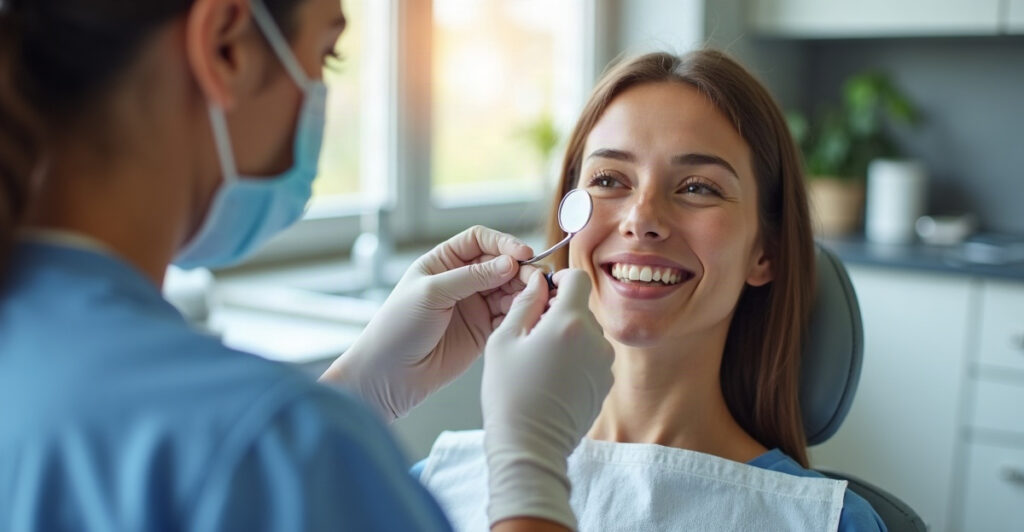
The first visit focuses on the concerns that matter most. We discuss goals for tooth color, chips, gaps, shape, proportion, and minor alignment concerns. We also talk about expectations for a natural-looking result and what changes may be realistic for each smile.
Our examination includes the teeth, gums, existing fillings or crowns, enamel, and bite. Enamel is the hard outer layer of a tooth. Occlusion, often called the bite, describes how the upper and lower teeth come together. Both enamel and bite are important because veneers need a stable surface and should work comfortably with surrounding teeth.
Veneers may not be the right first step when untreated decay, active gum disease, limited enamel, substantial tooth damage, significant grinding or clenching, or certain bite concerns are present. We may recommend treating these needs first or choosing a different type of care. Understanding why dental exams matter can help us see concerns early and make decisions with greater confidence.
For some cosmetic goals, a different approach may provide the right level of treatment. Professional whitening can address color concerns. Bonding may help with small chips or minor shape changes. Orthodontic treatment may be appropriate for alignment concerns. Crowns can provide broader coverage for teeth with significant structural damage. Gum treatment or contouring may help when gum health or gum display is the main concern.
For Anchorage and nearby communities, a consultation gives us time to discuss individual goals without assuming that veneers are the answer for every cosmetic concern. We can compare options within a complete cosmetic dentistry plan and explain what each option involves.
Planning the Smile: Shape, Shade, and Records
Smile planning sets the foundation for the process of getting dental veneers. We discuss how many teeth to treat and consider tooth shape, proportion, symmetry, and shade. Shade selection means choosing a tooth color that fits the desired appearance and works naturally with surrounding teeth.
Clear communication helps guide this stage. We encourage discussion about features that are appealing and those that should change. Concerns about veneers looking too bright, too large, too uniform, or unlike natural teeth are important to address before final fabrication.
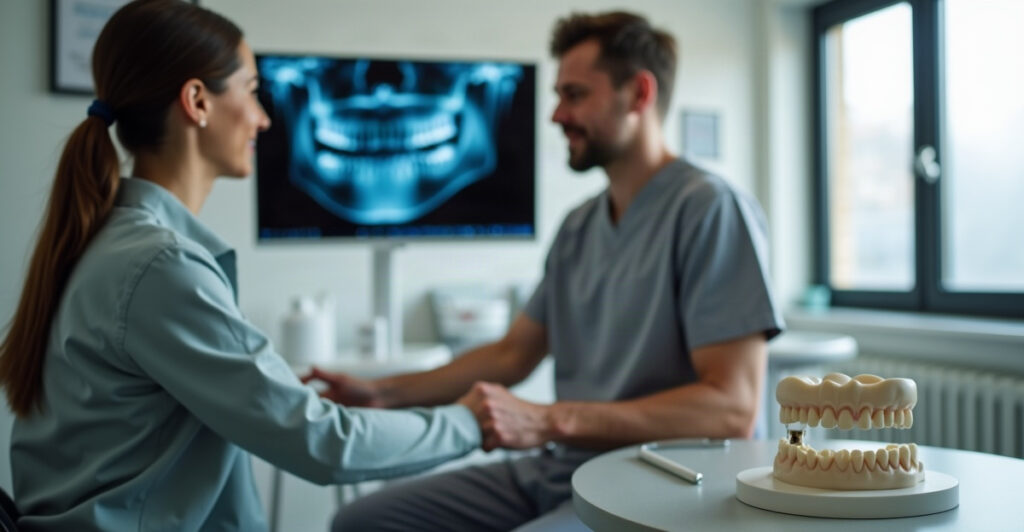
We may take photographs, use digital smile planning, complete a digital scan, or take traditional impressions. A digital scan or impression is a detailed record of the teeth used to plan or create veneers. These records may be shared with a dental laboratory so the final veneers reflect the approved treatment plan.
Material selection is also personal. We consider appearance goals, tooth condition, bite forces, the amount of enamel available, and the overall treatment plan. Viewing our smile gallery may help us discuss the range of cosmetic improvements possible while keeping expectations realistic.
Some patients want veneers as part of broader cosmetic care. In those situations, a smile makeover plan may combine veneers with whitening, bonding, or other appropriate treatment.
Tooth Preparation and Temporary Veneers
Traditional veneers often require us to remove a small amount of enamel. This creates room for the veneer and supports a natural-looking fit. Because enamel removal is generally irreversible, a prepared tooth will typically need a restoration in the future.
Minimal-prep and no-prep veneers may be options in selected situations. However, they are not suitable for every smile. If teeth already project forward, have certain shapes, or need significant color changes, little or no preparation may not create the intended result. We review these details before moving forward with dental veneer treatment.
We may use local anesthetic and other comfort measures during tooth preparation, depending on the treatment plan and individual needs. Some people notice temporary sensitivity or need time to adjust after treatment. Experiences vary, and we explain what to expect based on the treatment being provided.
Not every veneer plan includes temporary veneers. When we use them, temporary veneers may protect prepared teeth and offer a preview of shape or appearance. They can feel different from the final veneers and need extra care. Sticky foods, hard foods, and highly pigmented foods can affect temporary materials. The amount of preparation, use of temporaries, and number of appointments vary from person to person.
Final Try-In, Bonding, Bite Checks, and Follow-Up
Before final placement, we check each veneer for fit, color, shape, and overall appearance. This is an important time to share any concerns about comfort or appearance. When possible, we can discuss adjustments before final bonding.
Bonding is the process of securely attaching a veneer to the tooth with dental materials and a curing light. After bonding, we check the bite again to help ensure the veneers work comfortably with the natural teeth. Small bite adjustments may be needed to reduce unwanted pressure.
Follow-up visits allow us to check comfort, gum response, and bite function. We also answer questions about daily care and help address concerns that may arise as the mouth adjusts.
Common Questions About Veneers
How many appointments does the dental veneers process take?
Timing depends on planning, preparation, laboratory work, and whether other dental care is needed first.
Do veneers require shaving down teeth?
Traditional veneers often require a small amount of enamel modification. Minimal-prep or no-prep options may be appropriate only in selected cases.
Are temporary veneers always required?
No. Their use depends on the treatment plan.
Does getting veneers hurt?
We may use comfort measures during preparation, and individual experiences vary. Some temporary sensitivity or adjustment can occur after treatment.
Can we get veneers with grinding or clenching?
Grinding or clenching needs careful assessment. We may recommend a night guard or another treatment option to help protect the teeth and restorations.
Cost, Long-Term Care, and Questions to Ask
Veneer costs vary based on the number of veneers, selected material, design complexity, laboratory work, preparation needs, diagnostic planning, and any oral-health or restorative treatment needed first. Cosmetic veneer coverage is often limited by dental insurance. We recommend confirming benefits with both the insurer and dental office before beginning treatment. Our financial information can help us start that conversation.
Long-term care protects the appearance and function of veneers. We recommend:
- Brushing twice daily with a nonabrasive toothpaste as advised.
- Flossing daily.
- Attending routine exams and cleanings.
- Using a night guard if recommended.
- Avoiding using teeth to open packages or bite hard objects.
Regular visits and professional teeth cleanings also support gum health around veneers.
Veneers can be durable with appropriate care, but they may chip, loosen, stain at the edges, or eventually need repair or replacement. Existing restorations also need periodic evaluation. For example, understanding how long white fillings last can be useful when planning cosmetic treatment around teeth with older fillings.
Before deciding, we encourage asking the following questions:
- Are veneers appropriate based on enamel, gum health, and bite?
- What concerns can veneers realistically address?
- How much enamel may change?
- Are temporary veneers needed?
- Which material do you recommend, and why?
- How many teeth may create a balanced result?
- How will we choose shade and shape?
- What future maintenance, repair, replacement, insurance, and cost considerations may apply?
For personalized guidance, we can schedule a consultation with Alaska Dental Associates to discuss smile goals, oral-health needs, alternatives, comfort considerations, and a customized treatment plan.